
Why Your Donors Still Don't Know What You Do (And How to Fix It)
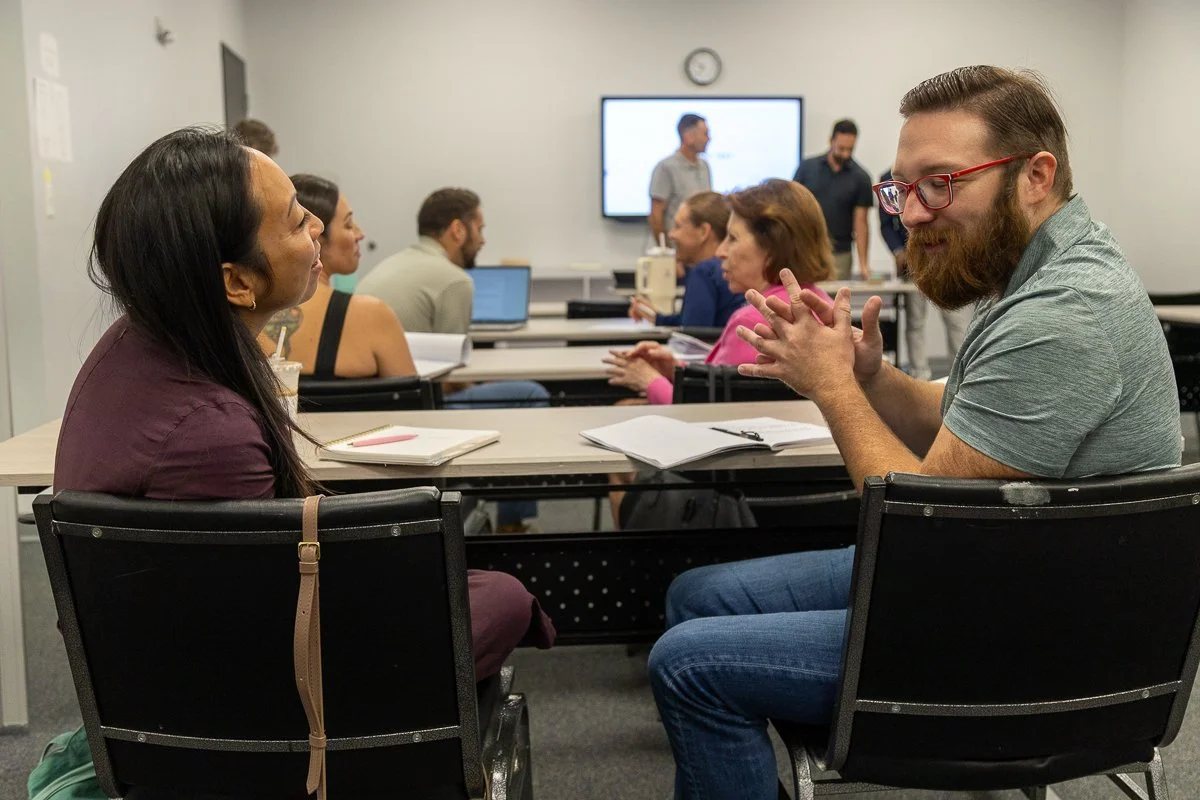
Workshop attendees during a group exercise
Why Your Donors Still Don't Know What You Do (And How to Fix It)
Christine Raymond has spent years building something genuinely important.
Extraordinary Charities is one of the most thoughtful nonprofit support ecosystems in Palm Beach County. Christine is its executive director. She understands mission-driven work from the inside. She has spent years helping other organizations clarify what they stand for and communicate it.
She also invited us to run a workshop for her members. She organized the room, set the agenda, and sat down alongside the organizations she serves.
When we opened with our first question, she raised her hand with everyone else.
The question was this: How many times have you shown donors everything you have, and they still left not knowing what you do?
Every hand in the room went up. Not tentatively. Immediately.
Christine knew the answer before anyone asked. So did every executive director, development director, and communications lead in that room. Because the experience is so common it has stopped feeling like a failure and started feeling like the cost of doing this work.
It is not. It is a solvable problem. And it starts with understanding why it happens in the first place.
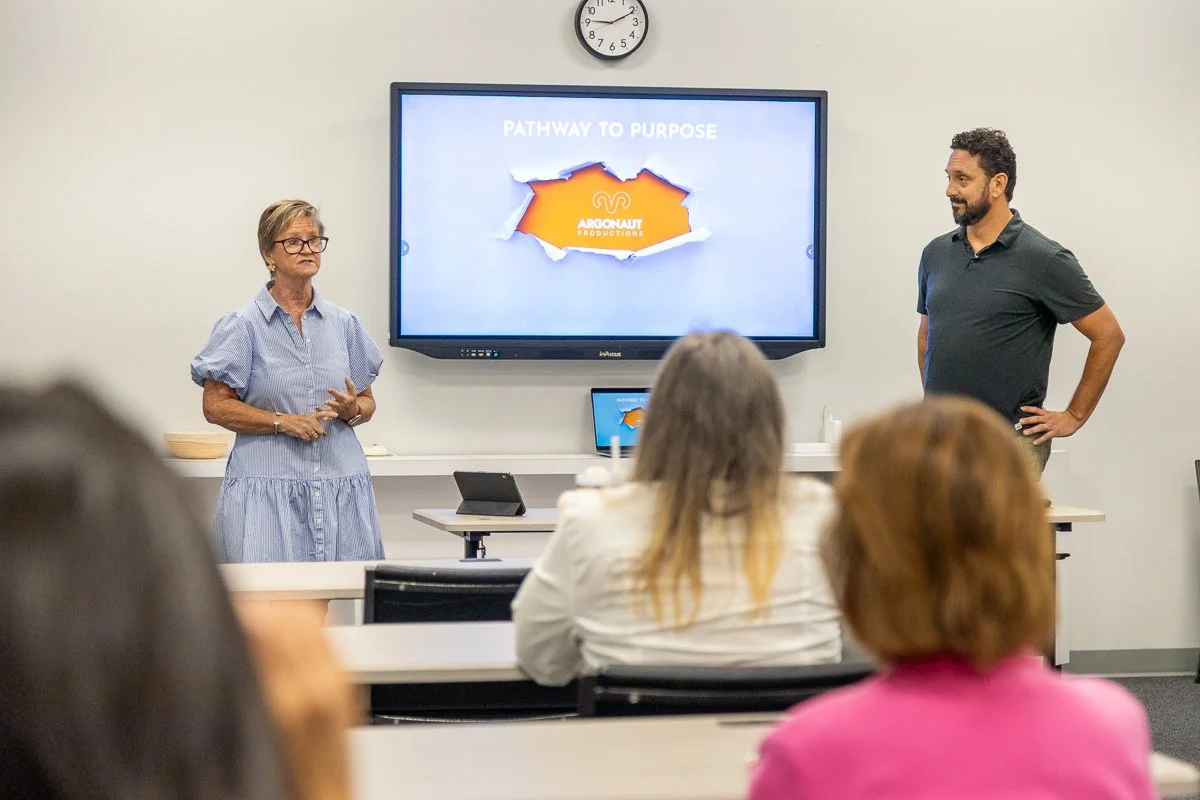
Christine Raymond from Extraordinary Charities giving me a loverly introduction
The Gap Between Knowing and Communicating
Most mission-driven leaders know their organization deeply. They have lived it for years. They understand the populations they serve, the evidence behind their approach, and the real difference the work makes in people's lives.
That depth is also the problem.
Years inside any organization produce a kind of fluency that is invisible from the outside. Grant language, impact metrics, program frameworks, and sector-specific shorthand become second nature. They feel like plain speech to the people using them. To a donor sitting at a gala for the first time, they land like a language they were never taught.
The organizations that communicate most effectively have learned to make this translation. Not by dumbing things down, but by leading with the human experience underneath the work, and letting that carry the meaning their reports and presentations cannot.
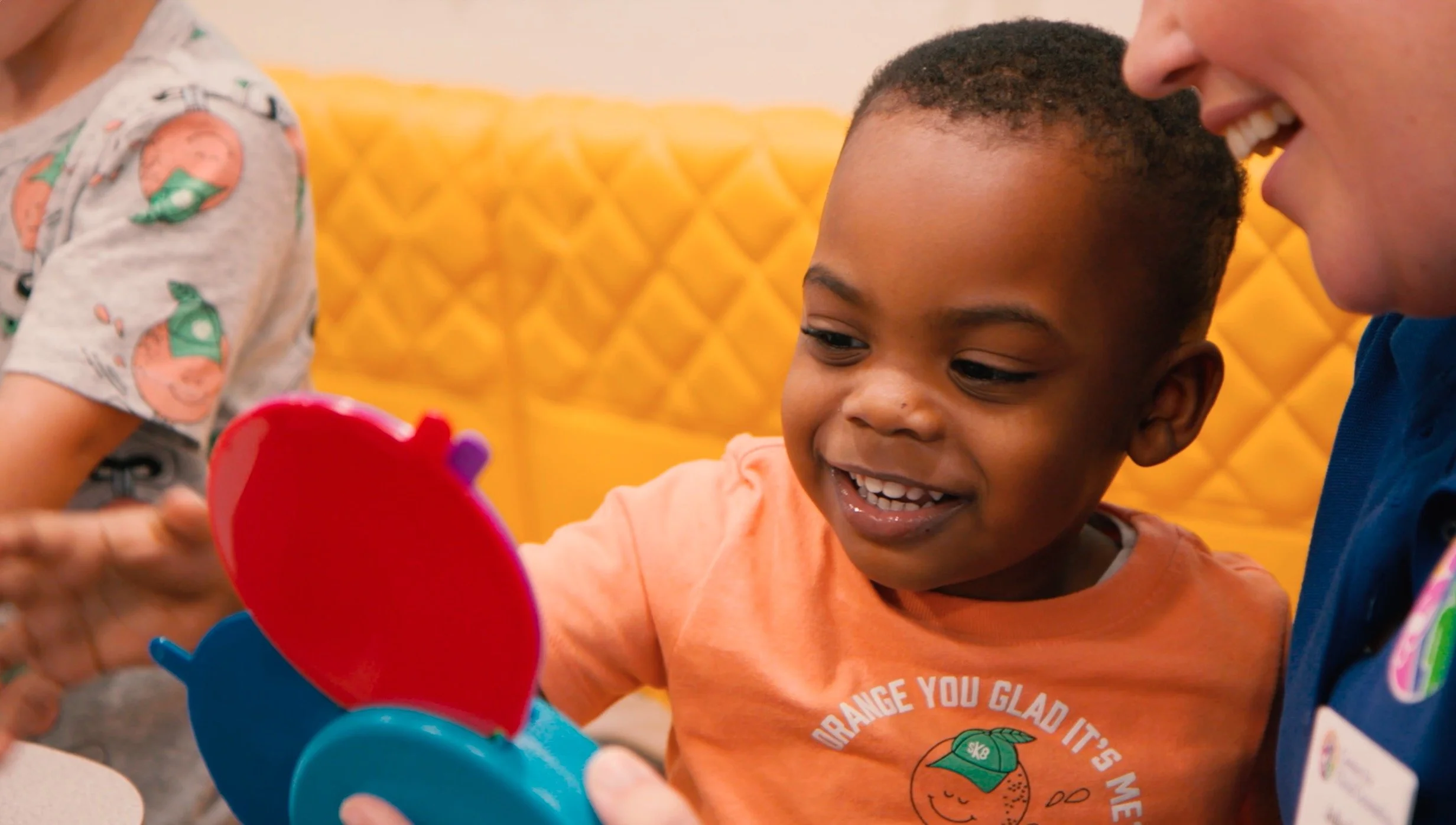
A frame from a recent project for The Center For Child Counceling
What Actually Moves People
Donors rarely give because they understood an organization. They give because they felt something real, and acting on it was the natural response.
This is not a soft observation. It is how human beings are wired. When we witness another person's genuine experience of struggle and transformation, something shifts. We stop observing and start caring. That caring is what drives people to act, to give, to show up, to advocate.
The organizations that raise the most, build the deepest donor loyalty, and launch campaigns that communities genuinely rally behind are not always the ones with the biggest budgets. They are the ones that have found a way to put their audience inside a real human experience.
Not a description of that experience. The experience itself.
A nonprofit impact video, done well, does exactly this. It does not tell donors what your organization does. It shows them what it looks like when your work reaches someone who needs it. That is a different thing entirely.

A Frame from a project for Connections Educational Center
Three Things That Change the Outcome
After years of this work with organizations across Palm Beach, Broward, and Miami-Dade counties, we have found that the gap between organizations that communicate well and those that don't comes down to three things.
1. Start with one person, not your organization.
The instinct is to lead with the mission statement, the service model, the population served, the years in operation. Donors need context, so give them context. But not first.
Start with one person whose life changed because of your work.
Be specific. Name them if you have permission.
Describe what they were facing and what is different now. Let the donor sit inside that one human experience before you tell them anything else about your organization.
Generosity is personal before it is institutional. The single story is what makes it personal.
2. Show the change, don't describe it.
There is a significant difference between telling a donor that your organization changes lives and letting them watch it happen.
Saying it produces comprehension. Showing it produces affinity. And affinity, not comprehension, is what moves people to give.
This is why video is the most powerful tool available to mission-driven organizations. Not because it is flashy or modern, but because it is the only format that can put a donor inside a moment they were not there for. The right clip, at the right moment, in front of the right audience, creates the kind of felt understanding that no annual report or executive presentation can replicate.
You can see the work we have done with organizations across South Florida here.
3. Build a library, not a one-time campaign.
The organizations that communicate most effectively do not produce a video for their annual gala and then go quiet for eleven months. They document impact consistently. They treat every meaningful outcome as material worth capturing, and they build a library of evidence that compounds over time.
A donor who has watched one organization share three years of real human transformation is not a gala attendee. They are an investor. They have seen too much evidence to sit on the sidelines.
The library does not require a large budget. It requires the decision, made at the beginning of the year, that what is happening inside your organization is worth showing to the people who have the capacity to support it.
What the Workshop Showed Us
Christine raising her hand mattered because of what it revealed.
The communication gap is not a small organization problem or a budget problem. It is not a sign that the work is not meaningful or that the leaders doing it are not capable. It is a sign that the skills required to do mission-driven work are different from the skills required to communicate it. And most organizations have been left to figure out the second part on their own.
The organizations in that room were not failing. They were doing serious, important work. They had simply never been given a framework for translating that work into something a donor who knows nothing about them could feel.
That is what the right creative partnership makes possible. Not a polished production. A genuine connection between the people your organization serves and the community that has the capacity to support them.
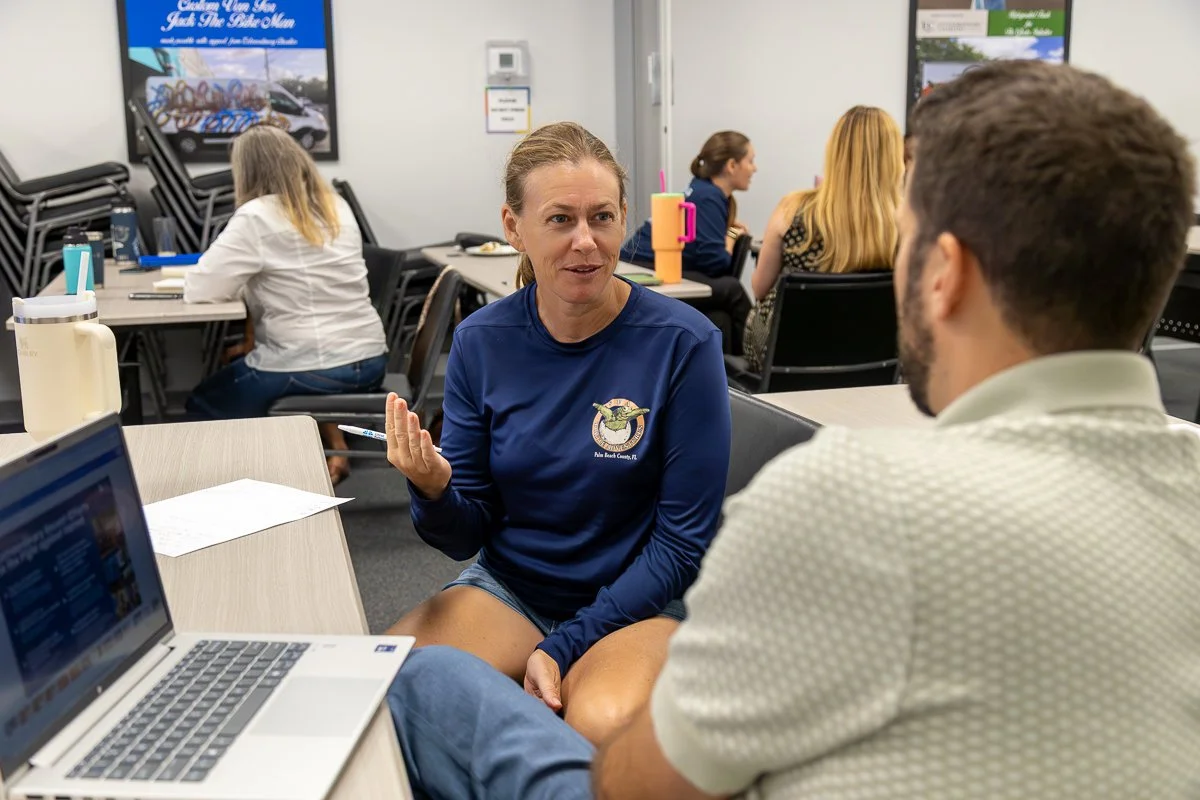
Workshop attendees during a group exercise
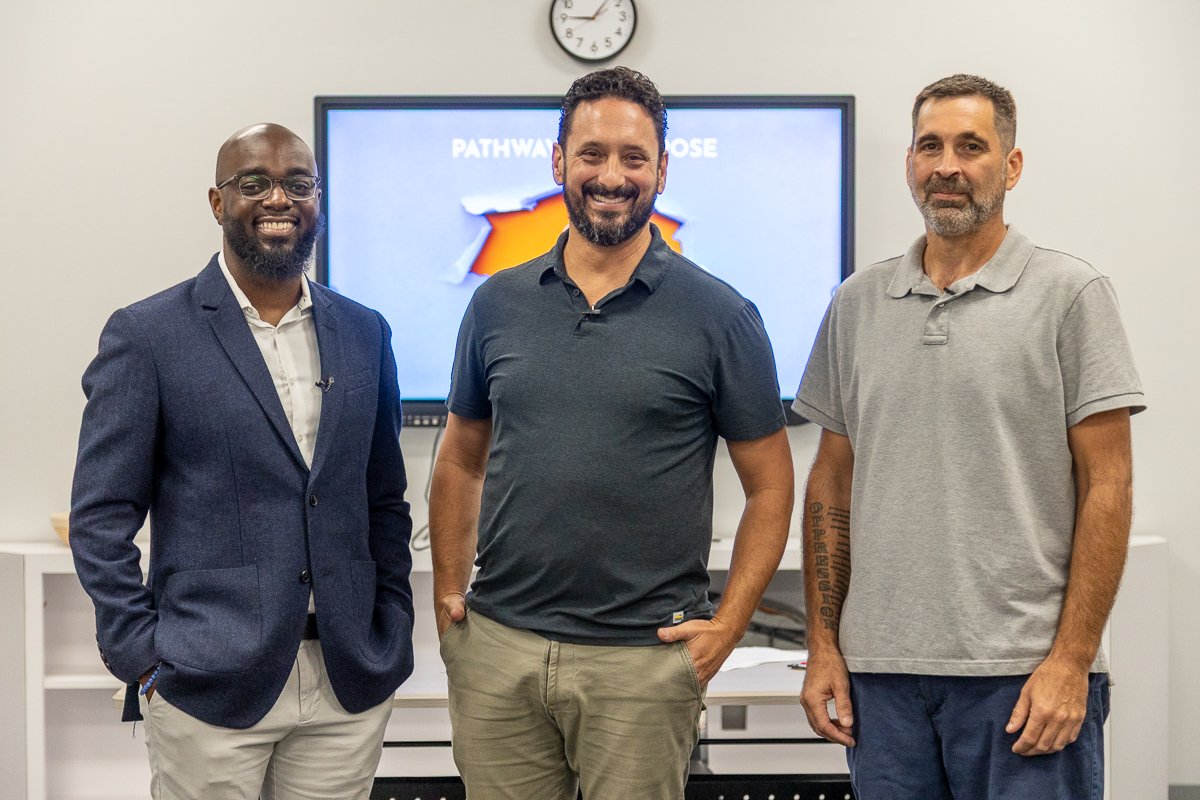
Jude, Jason and Steven - The Pathway to Purpose team
Argonaut Productions creates nonprofit impact video for mission-driven organizations across Palm Beach, Broward, and Miami-Dade counties. Every project begins with a Big Picture Roadmapping Session that brings your full team together to find the stories your donors have not yet had the chance to feel.
If your organization is preparing for a campaign, a gala, or a major donor conversation and you are not certain your community can feel what you do, that is where we start.
Schedule a conversation at calendly.com/argoprod.